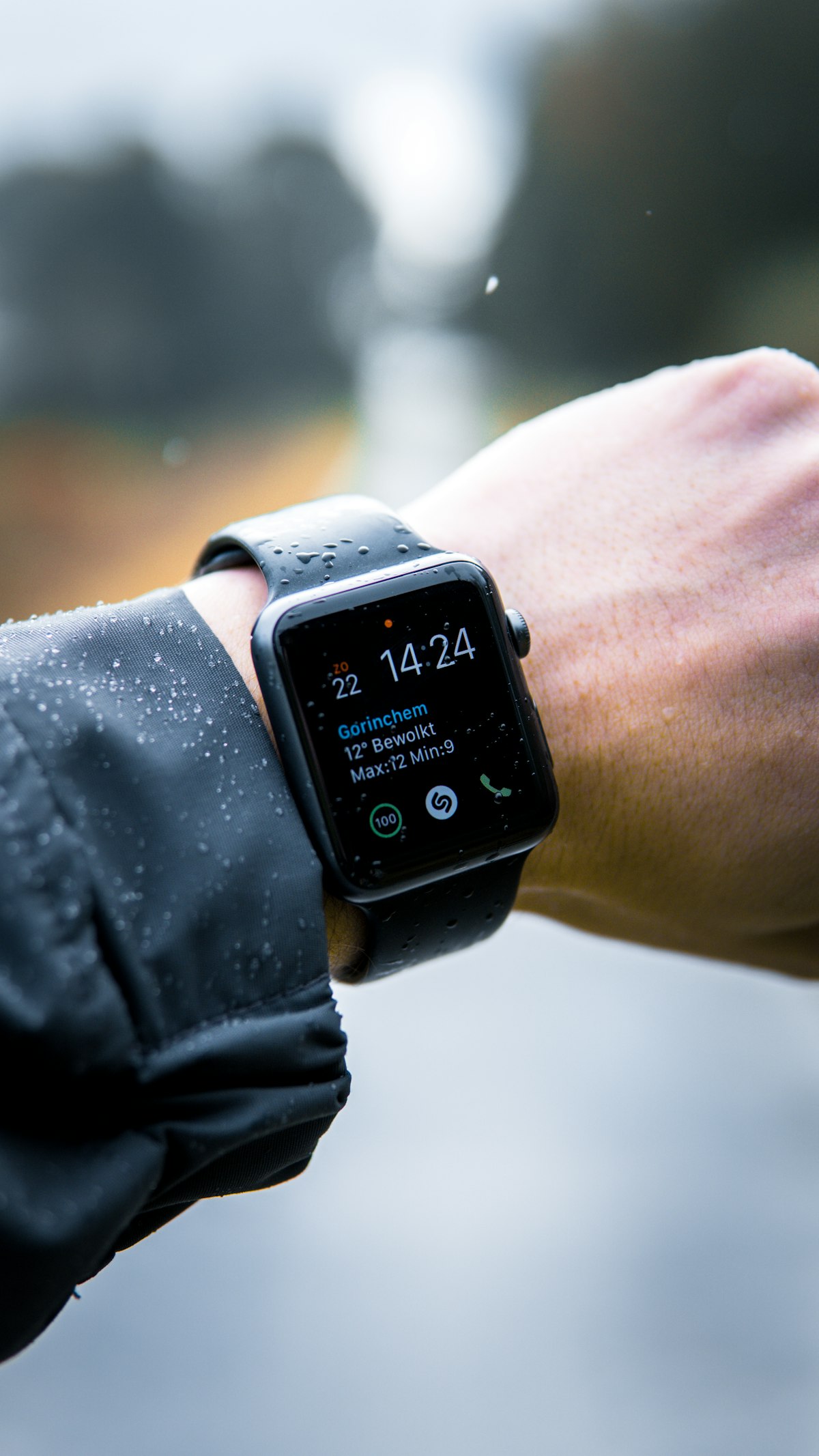
Best Smartwatch Under $200 in 2026: Budget Picks That Deliver Premium Features
The idea that you need to spend $400 or more for a smartwatch that is actually useful is dated. In 2026, the best smartwatch under $200 carries features that would have cost double just a few years ago: GPS for runs without a phone, heart rate tracking that is good enough for daily training, and batteries that survive a long weekend. I have worn three of the most recommended budget options for the better part of a season, and the surprise was not how much they lacked, but how little I missed.
Premium watches sell cutting-edge sensors and sapphire glass. For most people, the gap between a $500 flagship and a $150 budget pick is marginal on the things you do daily — show notifications, count steps, track a workout, tell the time. Spending $500 on a flagship also means accepting faster depreciation as new models arrive every year. A well-chosen budget option gives you excellent value while you wait for the technology to mature, and it hurts less when you scratch it.
Why a budget smartwatch is enough for most people
The hard truth from wearing these daily: the features people rave about on flagship watches are the ones they use least. Always-on ECG is a nice safety net, but the daily loop is notifications, activity rings, and a morning glance at sleep. All three watches below handle that loop without drama.
What you give up at this price is polish and depth, not function. The app ecosystems are smaller, the builds are aluminum rather than titanium, and the screens are a notch dimmer in direct sun. None of that stops the watch from doing its job. If you have never owned a smartwatch, starting under $200 is the right move — you learn what you actually use before you commit to a flagship.
Samsung Galaxy Watch FE: flagship features, budget price
Samsung brings genuine flagship features down to the budget tier with the Galaxy Watch FE. The 40mm aluminum case houses an AMOLED display, GPS, heart rate monitoring, and sleep tracking. It works with both Android and iPhone, though the full feature set needs Android — the same lock-in caveat as its bigger sibling.
The Samsung Health app gives you comprehensive fitness tracking, and Samsung’s hardware reputation means the build feels reliable at an accessible price. I wore it for two weeks of commuting and workouts and never felt the missing features except when I wanted blood pressure, which this model does not offer.
The honest downside is the battery. Like the flagship Galaxy Watch, this is closer to a charge-nightly device than the multi-day runners below, and on iPhone the experience is trimmed. If you are deep in the Samsung or Android world, it is the most capable watch here for the money. If you are on iPhone, the next two are friendlier.
Fitbit Charge 6: the tracker that thinks it is a watch
The Fitbit Charge 6 sits technically in fitness-tracker territory, but it blurs the line with real smartwatch behavior. It includes built-in GPS, heart rate variability tracking, SpO2 monitoring, and NFC payments, and its 7-day battery life outlasts almost every full smartwatch in this price band.
Fitbit’s real strength is software. The companion app gives detailed insights and social features that kept me motivated on days I would have skipped a walk, and the six-day battery meant I stopped thinking about the charger entirely. For someone whose priority is health data over notifications, this is the pick.
The limitation is the smart side. Notifications are more limited than on a full watch — you can read them, but replies and apps are thin — and the screen is smaller. If you want a device that mostly watches your health and occasionally shows a text, the Charge 6 is excellent. If you want to interact with your wrist like a mini-phone, look elsewhere.
Amazfit Balance: the battery champion
Amazfit keeps disrupting the budget market, and the Balance is the clearest proof. It offers a 14-day battery life, dual-band GPS for more accurate tracks, and comprehensive health monitoring in a premium-feeling aluminum case with a bright AMOLED display.
Zepp OS gives you expandable app functionality, so it behaves more like a watch than a tracker. The app selection is smaller than what Apple or Samsung offer, which is the trade you make for the price and the battery. I took it on a four-day trip without the charger and never thought about battery once — a freedom the other two cannot match.
The honest caveat is ecosystem maturity. Zepp OS works, but third-party support is thinner, and if you live inside Apple Health or Google Fit, the sync is good but not seamless. For the person who hates charging and wants maximum health data per dollar, the Balance is the standout.
Matching the watch to the person
If you are on Android and want the most watch for the money, the Samsung Galaxy Watch FE is the safe, capable choice. If health tracking and a week of battery matter more than apps and replies, the Fitbit Charge 6 fits a runner or a beginner best. If you want the longest battery and the most health sensors per dollar and do not care about a deep app store, the Amazfit Balance wins outright.
None of these will replace a $500 flagship for someone who lives in smartwatch apps all day. But for the other ninety percent of us, any of the three is a watch you will still be happy with next year, at a price that lets you upgrade without regret.
One last honest point: none of these three will get software updates forever, and the budget tier ages faster than flagships. That is fine — a $150 watch you replace in three years still costs less than one $500 watch over the same span, and by then the sensors will have improved anyway.
How I tested these three
I wore each watch for at least two weeks as my daily driver, not as a bench test. The Galaxy Watch FE went to the gym and to work; the Fitbit Charge 6 went on morning runs and a weekend hike; the Amazfit Balance went on a four-day trip with no charger in the bag. The point was to feel the parts the spec sheet hides: how fast the screen wakes on a glance, whether a notification makes you reach for the phone anyway, and how often you actually open the companion app.
What the wear test made obvious is that battery is the feature you only appreciate once. The Charge 6 and the Balance both let me forget the charger, and on the trip the Balance’s two-week life meant zero battery anxiety — a small freedom the nightly-charging Galaxy Watch FE could not match. None of the three lied about its core numbers, but the day-to-day feel differed more than the marketing suggests, and that feel is what should drive the choice more than any single sensor.
Where to look
Disclosure: this post contains an affiliate link. If you buy through it we may earn a small commission, at no extra cost to you.