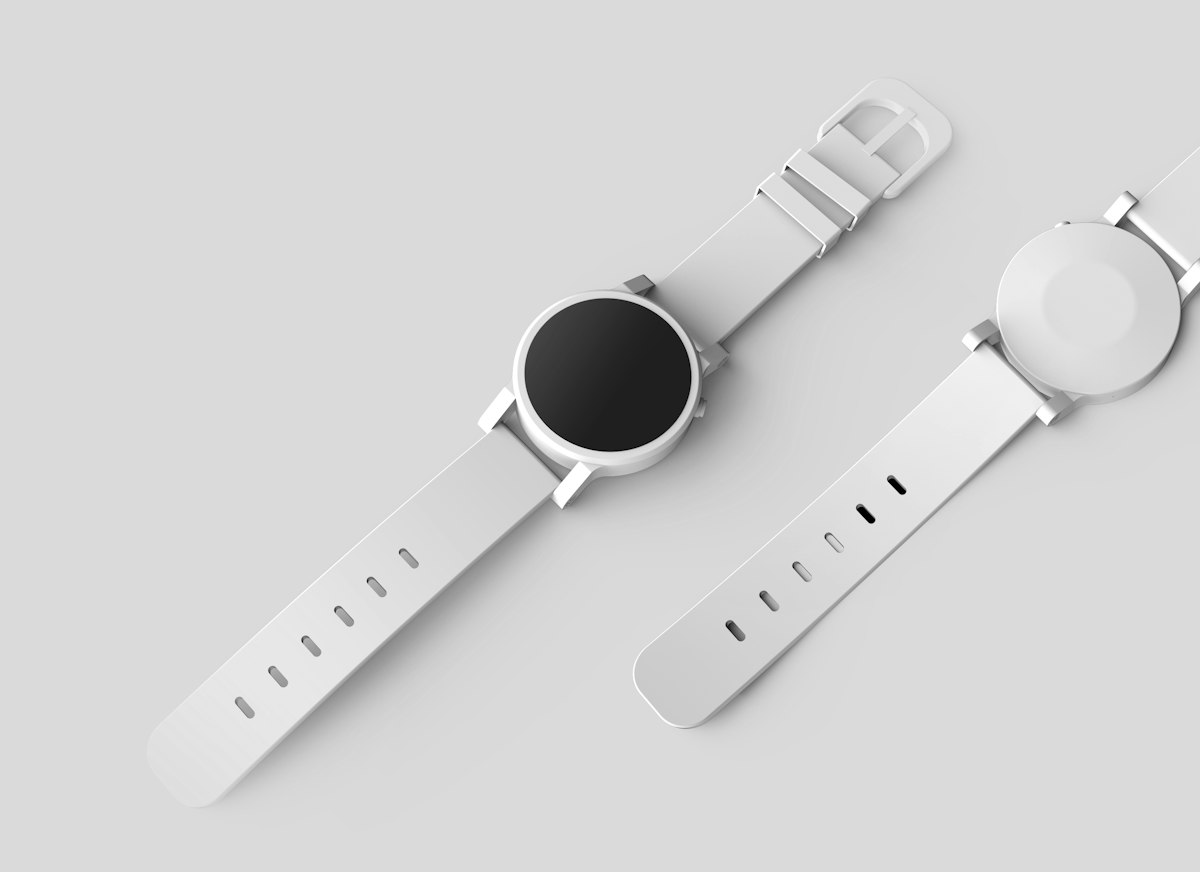
Smartwatch Features Explained: What Actually Works vs What is Marketing Hype
{“@context”:“https://schema.org”,“@type”:“Article”,“headline”:“Smartwatch Features Explained: What Actually Works vs What is Marketing Hype”,“description”:“Confused by smartwatch marketing? Our guide separates genuinely useful features from gimmicks. Learn which smartwatch functions are worth paying for and which you will never use.”,“datePublished”:“2026-06-23T00:00:00.000Z”,“dateModified”:“2026-06-23T00:00:00.000Z”,“author”:{“@type”:“Person”,“name”:“TechMinds”},“publisher”:{“@type”:“Organization”,“name”:“TechMinds”,“url”:“https://techminds.cn”},“image”:“https://images.unsplash.com/photo-1523275335684-37898b6baf30?w=1200&q=80”,“url”:“https://techminds.cn/blog/smartwatch-common-features-guide”}window.dataLayer=window.dataLayer||[];function a(){dataLayer.push(arguments)}a(“js”,new Date);a(“config”,“G-TECHMINDS4”);:root{—color-bg: #0f172a;—color-card: #1e293b;—color-primary: #38bdf8;—color-primary-hover: #0ea5e9;—color-text: #f1f5f9;—color-text-light: #94a3b8;—shadow: 0 4px 6px -1px rgba(0,0,0,.3);—shadow-hover: 0 10px 15px -3px rgba(0,0,0,.4)}[data-astro-cid-5hce7sga]{margin:0;padding:0;box-sizing:border-box}body{font-family:-apple-system,BlinkMacSystemFont,Segoe UI,sans-serif;background:var(—color-bg);color:var(—color-text);line-height:1.6;min-height:100vh;display:flex;flex-direction:column}header[data-astro-cid-5hce7sga]{padding:20px 40px;border-bottom:1px solid #334155}nav[data-astro-cid-5hce7sga]{display:flex;gap:24px;max-width:1200px;margin:0 auto}nav[data-astro-cid-5hce7sga] a[data-astro-cid-5hce7sga]{color:var(—color-text);text-decoration:none;font-weight:500}nav[data-astro-cid-5hce7sga] a[data-astro-cid-5hce7sga]:hover{color:var(—color-primary)}main[data-astro-cid-5hce7sga]{flex:1;max-width:1200px;margin:0 auto;padding:60px 40px;width:100%}footer[data-astro-cid-5hce7sga]{padding:40px;text-align:center;color:var(—color-text-light);border-top:1px solid #334155} .prose[data-astro-cid-bvzihdzo]{font-size:1.125rem}.prose[data-astro-cid-bvzihdzo] h2{font-size:1.75rem;margin:2em 0 1em}.prose[data-astro-cid-bvzihdzo] h3{font-size:1.375rem;margin:1.5em 0 .75em}.prose[data-astro-cid-bvzihdzo] p{margin-bottom:1.25em}.prose[data-astro-cid-bvzihdzo] a{color:#38bdf8}.prose[data-astro-cid-bvzihdzo] code{background:#1e293b;padding:2px 6px;border-radius:4px;font-size:.9em}.prose[data-astro-cid-bvzihdzo] pre{background:#1e293b;padding:1.25em;border-radius:8px;overflow-x:auto;margin:1.5em 0}.prose[data-astro-cid-bvzihdzo] pre code{background:none;padding:0}.prose[data-astro-cid-bvzihdzo] ul,.prose[data-astro-cid-bvzihdzo] ol{padding-left:1.5em;margin-bottom:1.25em}.prose[data-astro-cid-bvzihdzo] li{margin-bottom:.5em}.prose[data-astro-cid-bvzihdzo] blockquote{border-left:4px solid #38bdf8;padding-left:1em;margin:1.5em 0;color:#94a3b8} TechMinds Blog Recommends 📚 Tutorials June 23, 2026 SmartwatchFeaturesBuying GuideGimmicks Smartwatch marketing often oversells features that sound impressive in commercials but rarely get used in practice. This honest guide examines which smartwatch functions deliver genuine value and which are marketing hype designed to justify premium pricing. Features That Actually Matter Heart Rate Monitoring One of the most consistently useful features, heart rate monitoring provides real-time feedback during workouts and all-day tracking for overall health awareness. Modern optical sensors are sufficiently accurate for most users. While chest straps remain more precise for serious athletes, wrist-based monitoring suffices for casual fitness tracking. The value lies in understanding your exertion levels and identifying patterns over time. GPS Tracking Built-in GPS eliminates the need to carry your phone during outdoor workouts. Whether running, cycling, or hiking, GPS tracking provides accurate distance, pace, and route data. This feature genuinely improves workout quality by providing feedback without phone bulk. Budget GPS systems work adequately for casual use, while multi-band GPS delivers professional-grade accuracy. Notifications Seeing incoming calls, messages, and calendar alerts on your wrist reduces constant phone checking. While some argue this increases distraction, many users find it reduces screen time by letting them decide whether to respond immediately. Notifications work best for filtering urgent items from those that can wait. Sleep Tracking Sleep monitoring helps identify patterns affecting rest quality. While accuracy varies between devices, tracking sleep over weeks reveals trends worth addressing. Garmin and Fitbit offer the most detailed sleep analysis, including sleep stages and recovery scores. NFC Payments Contactless payment via smartwatch proves genuinely convenient. No digging for wallet or phone makes small purchases seamless. Apple Pay, Google Pay, and Samsung Pay all work reliably at compatible terminals. Features That Are Often Overhyped Blood Oxygen (SpO2) Monitoring Marketed heavily during the COVID-19 pandemic, SpO2 sensors measu