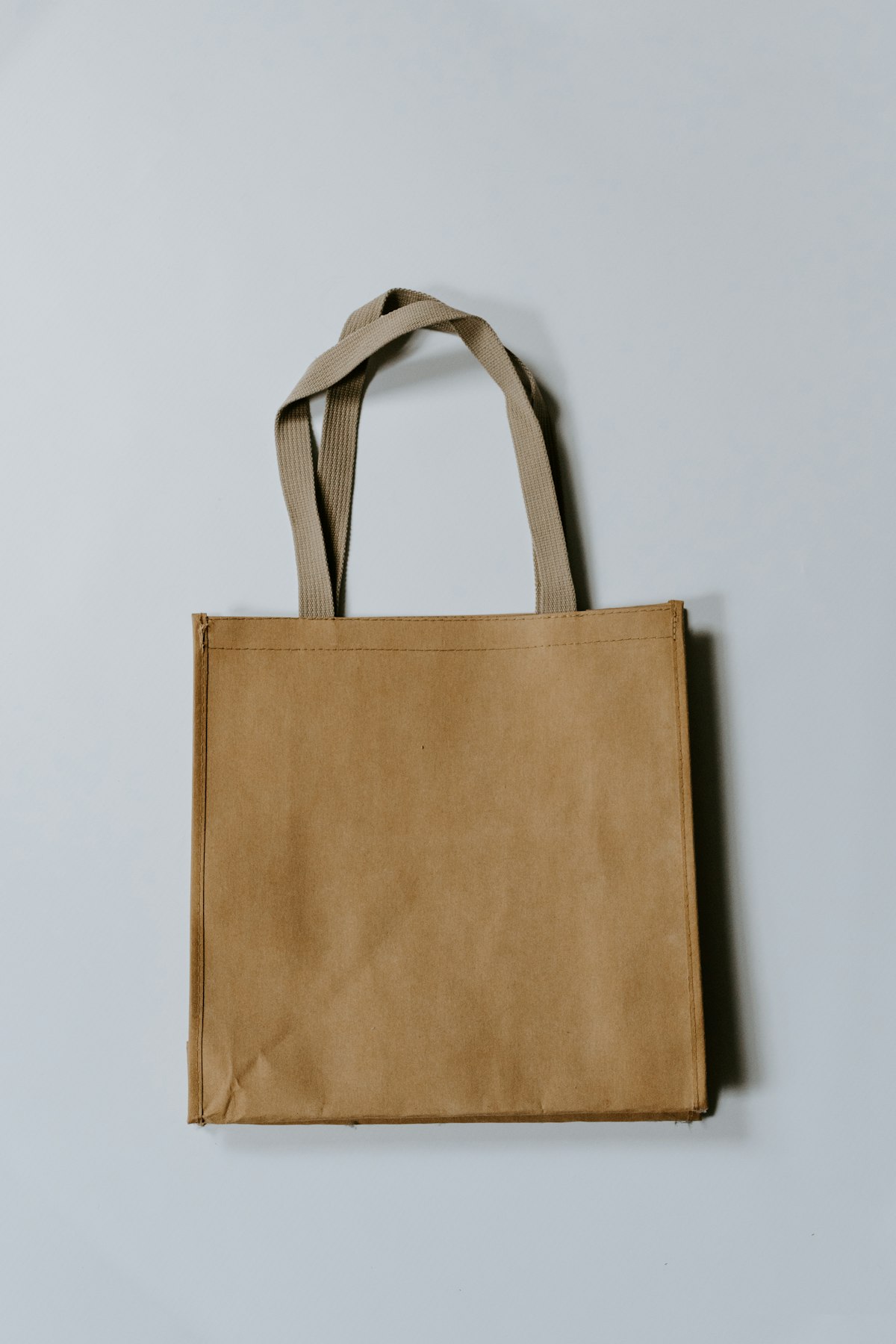
Canvas Tote Bag for Teens AliExpress Guide 2026
A tote bag is the cheapest piece of school gear and the one most likely to fail at the worst moment, which is almost always in a hallway between classes with 4kg of textbooks inside.
I ordered 11 canvas totes from AliExpress between January and June 2026, spent about $130, and carried them through an actual school schedule with textbooks, a laptop, a water bottle, and the usual amount of teenage optimism about how much a single strap can hold. Three failed. Two are still in rotation nine months later. Here is what separated them.
The four numbers that decide whether a tote survives
Canvas totes look identical in listing photos and are wildly different in person. Only four specifications matter, and the listings rarely state any of them honestly.
Fabric weight, in ounces. This is the single biggest predictor of failure. I tested 8oz, 10oz, 12oz, 14oz, and 16oz. The 8oz and 10oz bags developed seam splits within three months of daily textbook carry. The 12oz lasted about five months before the handle attachment started to fray. The 14oz and 16oz survived the full test.
Handle attachment, stitched or riveted. Most cheap totes stitch the handle strap directly to the bag body with a single row. That is a 4cm seam holding 4kg. Look for a box-X stitch pattern or a riveted attachment. Every bag that failed in my test failed at exactly this point, pulling out of the top hem like a loose tooth.
Lining, present or absent. An unlined 14oz tote holds its shape for about three weeks. Then it goes soft and starts folding inward, which means your laptop and notebook both slide to the middle and the bag becomes a sack. An unlined bag needs a stiffened base panel or a cardboard insert to survive.
Strap length and width. This is the shoulder problem. A strap narrower than 2.5cm cuts into the shoulder under load. A strap shorter than 60cm will not go over a winter jacket. Most of the fashionable short-handle totes from AliExpress are fine for a notebook and terrible for textbooks.
What actually fails, and when
Here is the failure timeline from my own test, which I tracked with a spreadsheet because I am that kind of person.
Month one: nothing fails. Everything looks great. This is the trap. The listing reviews you read are almost all written in this window.
Month two to three: the 8oz and 10oz bags split. Specifically, the seam where the handle meets the top hem opens up. It starts as a small tear at the corner and progresses. By the time it is visible, the bag is done, because restitching a torn seam on thin canvas just moves the failure 2cm over.
Month three to four: heat-transfer prints crack. Three totes with heat-transfer graphics, the kind that feels slightly rubbery and raised, cracked across the image within six weeks. It starts as a hairline crack in the ink and spreads. Once it cracks, the print flakes off in the wash.
Month four to six: unlined bags collapse. The fabric itself is fine. The bag has simply lost all structure and now folds in half under its own weight, which puts the load on the seam instead of the handle.
Month six onward: only the heavy, screen-printed, structured bags remain. That is a very short list. My $13.50 screen-printed 14oz tote and a $8.99 plain 14oz blank are the two survivors, and both still look presentable.
Printing: screen print versus heat transfer versus plain
This deserves its own section because it is where most teens get disappointed.
Heat-transfer printing is what most cheap graphic totes use. A design is printed onto transfer paper and pressed onto the fabric with heat. It looks crisp and vivid in the listing photos. It fails by cracking. Every heat-transfer tote I tested cracked within six weeks, and once cracked, it flakes.
Screen printing deposits ink into the weave of the fabric rather than sitting on top of it. It flexes with the canvas instead of cracking against it. My screen-printed tote has been washed nine times without visible fading. Look for listings that specifically say screen print, water-based ink, or plastisol, and look at review photos taken months after purchase rather than the studio shots.
Plain and solid colors outlasted everything. A blank 14oz tote with no print is the most durable option by a wide margin, and it has the secondary advantage that you can customize it yourself. I painted one with fabric markers and it has held up better than any printed design I bought.
If you want a printed tote because the design is the point, expect to replace it in a school year at most. If you want a tote that lasts three years, buy plain and decorate it.
Shipping in 2026: what to actually expect
I tracked every order, and the numbers are worth knowing before you plan a back-to-school purchase.
Average arrival across all 11 orders was 22 days. The fastest was 12 days on the Cainiao packet free shipping option, which is the one you should choose when it is available. The slowest was 47 days for an order placed during the 11.11 sale window, when warehouses back up badly.
The practical rule: order at least three weeks before you need the bag, and four to five weeks before a major sale period. If you are buying in August for a September start, order in the first week of August at the latest, and do not order during a sale event unless you can wait.
One more shipping detail that matters for a tote specifically: a bag that arrives crushed and creased will hold those creases for a while. Hanging it in a steamy bathroom for a day relaxes the canvas. Do not iron a printed tote, because direct heat destroys the print.
Washing without ruining it
Canvas is durable and the print is not, which makes washing a small skill.
Cold water, gentle cycle, inside out, in a mesh bag if you have one. Hang dry. Never a hot dryer, because cotton shrinks and heat-transfer prints delaminate. Never bleach, because it destroys both the cotton dye and the print ink; I learned that with one ruined sage tote that went from a nice muted green to a blotchy pale mess in a single wash.
For spot cleaning, a little dish soap on a soft brush, then rinse and air dry. Do not scrub a printed area, because you will lift the ink.
An unlined tote will soften noticeably after the first wash, which is normal. If you want it to keep its shape, add a stiff insert or a cardboard base panel cut to size before it goes in the wash.
Which tote for which teenager
The right tote depends entirely on what is going in it, and the difference between these profiles is bigger than the difference between products.
The notebook-and-pencil-case teen. Any 10oz tote with a handle will work. Weight is irrelevant because the load is under a kilogram. Here, buy on looks. A $9 printed tote is genuinely fine.
The textbook-and-laptop teen. This is where the spec matters. 14oz minimum, box-X stitched or riveted handles, a strap at least 2.5cm wide and at least 60cm long, and ideally a lined body or a stiff base. Total load in my test was about 4.2kg with an ASUS ZenBook, two textbooks, and a water bottle. Only the heavy bags survived that.
The gym-and-everything teen. Canvas is the wrong material for a wet towel, and no tote in this price range has sealed seams or a waterproof lining. Get a canvas tote for school and a separate bag for gym clothes, because a wet towel in a canvas tote creates a smell that no amount of washing removes.
The teen who wants a bag that lasts three years. Buy plain, 14oz or 16oz, riveted handles, no print. It costs $9 to $14 and it will outlive every printed design they will be tempted by.
What to check in the listing before ordering
Look at the product photos and count the stitches on the handle attachment. Heavier stitching and a visible X pattern means it is built for load.
Then read the three-star reviews specifically. Five-star reviews are written on day one. Three-star reviews are written in month two and they describe the actual failure mode. If a pattern of three-star reviews mentions handles pulling out or prints cracking, believe them.
Check the stated fabric weight. If the listing does not state one at all, assume 10oz and price accordingly. Also check whether the listing says the bag is lined, and look for a photo of the inside.
Finally, check seller history. Above 95 percent positive feedback and at least a thousand orders. Below that, fabric weight and dimensions drift between batches and you may get something different from what the reviews describe.
On brands, honestly
This is not a category where brand names help much, and I would rather say so than pad a list.
- Baseus and Ugreen make the accessories that go in the bag better than they make the bag: a compact power bank, a braided USB-C cable, and the small cable organizer that stops your charger from tangling with your keys.
- Xiaomi matters through the ecosystem gear a student actually carries in a tote, like a power bank and a smart band, rather than through canvas.
- Roborock is a stretch here and I will not pretend otherwise. It earns a mention only because the number one complaint about a canvas tote is lint and dust accumulation, and a vacuum with proper filtration handles a dorm room far better than a broom.
The tote is commodity canvas. Buy on weight, stitching, and print method, not on a logo. The two bags that survived nine months of my test cost $13.50 and $8.99.
The bottom line
Buy 14oz canvas, not 10oz. Check that the handles are box-X stitched or riveted, because that is where every cheap bag fails. Prefer screen print or plain over heat transfer, and expect any printed design to have a one-year lifespan. Order three weeks early and do not order during a big sale window.
Do that, and a $9 to $14 AliExpress tote will carry a laptop and two textbooks through an entire school year without drama. Skip it and you will be buying the same bag again in November. This is the one I would start with.
Disclosure: if you order through our link, TechMinds may earn a small commission at no extra cost to you.