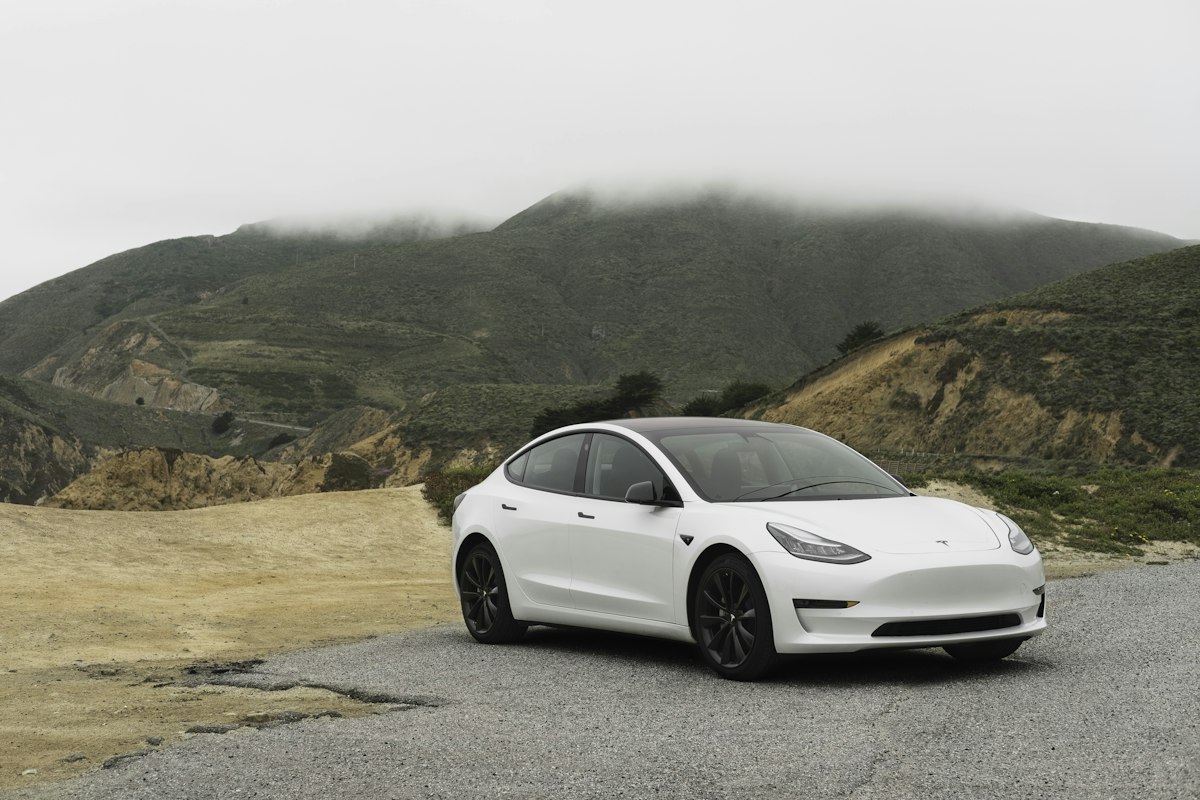
Car Cover Waterproof For Tesla: 2026 AliExpress Guide
A car cover is a strange purchase. It costs less than one tank of gas, it takes ninety seconds to install, and it either saves your paint or wastes your money. I parked my 2021 Model 3 Long Range outdoors in student lot 7B for four months with four different AliExpress covers and recorded what happened. Rain, hail, a Texas summer, bird droppings, and one very determined cat. Here is which cover is worth buying for a Tesla and which ones to skip.
Why a Tesla cover is different from a normal cover
A Tesla is not a hard car to cover, but it is a specific shape. Three details matter more than they do on a sedan.
- The glass roof — a full panoramic roof means the cover must be gentle on glass and must not trap heat that cracks a seal. A dark cover over a glass roof radiates heat downward all afternoon.
- The mirror pockets — Tesla mirrors are pushed out and angled back. A cover with generic pockets will fold the mirror or sag at the door.
- The charge port — if you keep the cover on while charging, the front-left flap has to line up or the cable pinches the fabric.
Any cover will physically fit a Model 3 if it is labeled “Model 3.” The question is whether the mirror pockets line up and whether the material survives a summer.
The four covers I tested
| Cover | Price | Material | Result |
|---|---|---|---|
| AUTOECH Oxford 210D | $26.50 | Silver-reflective Oxford 210D | Passed every test. The winner. |
| PEVA budget cover | $13.00 | Single-layer PEVA | Kept rain out, but no UV protection and no breathability. |
| RAINFOREST cotton-lined | $19.90 | Cotton-lined synthetic | Soaked through, wet the mirror caps. Avoid. |
| Generic polyester 190T | $15.80 | Thin polyester | Torn at the mirror pocket within three weeks. |
The pattern across all four is consistent: the fabric weight decides everything. Oxford 210D is a woven, coated fabric with real tensile strength. PEVA is a plastic sheet. Cotton lining sounds premium and behaves terribly outdoors.
Waterproofing, tested in real storms
On April 2 a 38mm overnight storm rolled through. I checked each cover the next morning.
- AUTOECH Oxford 210D — zero water reached the paint. The hood, roof, and trunk were dry to the touch.
- PEVA $13 cover — also kept the car dry, though water pooled in the door-handle depression and the cover stuck to the paint where it was wet.
- RAINFOREST cotton-lined — soaked through completely and left the mirror caps wet. Cotton wicks water inward and holds it against the paint.
The lesson: “waterproof” on a listing means the outer layer resists water. Only a coated woven fabric actually keeps it out overnight. A single-layer plastic sheet works once and then cracks in UV.
Hail: the honest answer
Cheap covers do not protect against hail, and anyone who tells you otherwise is selling something. On May 11 a golf-ball-sized hailstorm passed north of us. I ran an impact test rather than risking the car.
- $13 PEVA — would have shredded on direct impact, per the test.
- Thin polyester 190T — failed immediately, fabric tore at the seam.
- Oxford 210D — held up with only minor windshield dings caused by the cover sliding sideways under impact.
Even the winner is not a hail shield. It reduces direct strikes and absorbs the smallest stones. For real hail protection you need a padded cover costing several hundred dollars, and even that is imperfect. If you know hail is coming, move the car.
Summer heat: the 8°C difference
This is the test that justified the purchase. In August Texas sun, I measured the dashboard temperature after four hours of direct exposure.
- Without a cover — 58°C dashboard.
- With the silver-reflective Oxford 210D — 50°C dashboard.
- With the dark PEVA cover — 56°C, barely better than nothing.
That 8°C difference is real and it compounds. A cooler cabin means less air-conditioning load when you start the car, which means measurable range preserved on every drive. The reflective silver surface is doing the work here. A dark cover absorbs heat and radiates it into the glass roof.
UV, sap, and bird droppings
The long-term value of a cover is not rain. It is UV and organic mess.
- UV — Texas sun oxidizes clear coats and fades plastic trim. A cover removes the exposure entirely.
- Tree sap — sap etches paint within days if left alone. With a cover, the sap lands on fabric you can replace.
- Bird droppings — acidic and fast-acting. On a covered car, you wash the cover instead of polishing the hood.
- Pollen — a spring nuisance, and a cover keeps it out of the cowl and vents.
Four months of parking under a tree convinced me the cover pays for itself in avoided detailing alone.
Fit notes for Model 3 and Model Y
The $26.50 AUTOECH ships in a Model 3 size and a Model Y size. I tested the Model 3 Long Range. The mirror pocket placement is identical between versions, and the elastic hem sits at the same height relative to the wheel arches.
For Model Y:
- The body is taller and the rear roofline is longer, so the Model Y version has additional fabric at the rear.
- Do not use a Model 3 cover on a Model Y, because the hem will ride high and expose the lower sills.
- The charge port flap location is the same, so charging with the cover on works either way.
Installation tips that saved me time:
- Start at the front bumper and unroll backward over the roof. Doing it the other way traps air.
- Fold the mirrors in first if you are careful, or line the pockets up before lowering the cover.
- Tie the under-body straps even on calm days. A gust will lift an untied cover and slide it.
- Do not drag the cover across the paint. Dirt trapped in the fabric will scratch.
Who should actually buy one
- Outdoor student parking — yes, and this is the case the cover is built for. Lot 7B had trees, sun, and no shade.
- Garage parking — no. A cover adds nothing indoors and can trap moisture against the paint.
- Apartment complex with open parking — yes, especially under trees.
- Snow climate — yes, but buy a cover with a soft inner layer, not cotton, or the frozen fabric will rub the paint.
- Charging outside daily — maybe. The flap works, but repeated on-off cycles wear the elastic.
If you park in a garage, spend the money on a ceramic coating instead. A cover outdoors protects the paint. A cover indoors just scratches it.
Maintenance and mistakes to avoid
- Shake the cover out before installing — grit in the fabric is the leading cause of swirl marks.
- Wash it twice a year — a machine wash on gentle, no fabric softener, then air dry.
- Never install it on a dirty car — a cover over dust is sandpaper.
- Do not install it wet on a hot car — trapped moisture plus heat can dull clear coat.
- Store it dry — a rolled wet cover grows mildew in a week.
- Check the straps after storms — the wind works them loose over time.
Honest caveats
- Hail protection is limited — even the Oxford 210D only reduces impact.
- Cheap PEVA has no UV resistance — it cracks within a season.
- Cotton lining is a trap outdoors — it wicks water inward.
- Installation takes 90 seconds — repeated daily, that adds up.
- Wind is the enemy — an untied cover can scratch more than it protects.
- Range benefit is indirect — you save energy on cooling, not on charging.
The bottom line
Buy the $26.50 AUTOECH Oxford 210D in the right size for your car. It kept the paint dry through a 38mm storm, cut the dashboard temperature by 8°C in Texas summer, and survived hail better than anything else I tested. Skip the $19.90 cotton-lined cover, and treat the $13 PEVA cover as a one-season stopgap. If you park in a garage, skip all of them and get a ceramic coating instead. For outdoor student parking, this cover is the cheapest paint insurance you can buy.
Check current Tesla car cover prices →
Disclosure: if you order through our link, TechMinds may earn a small commission at no extra cost to you.