Car Cover Waterproof For Tesla AliExpress Guide 2026
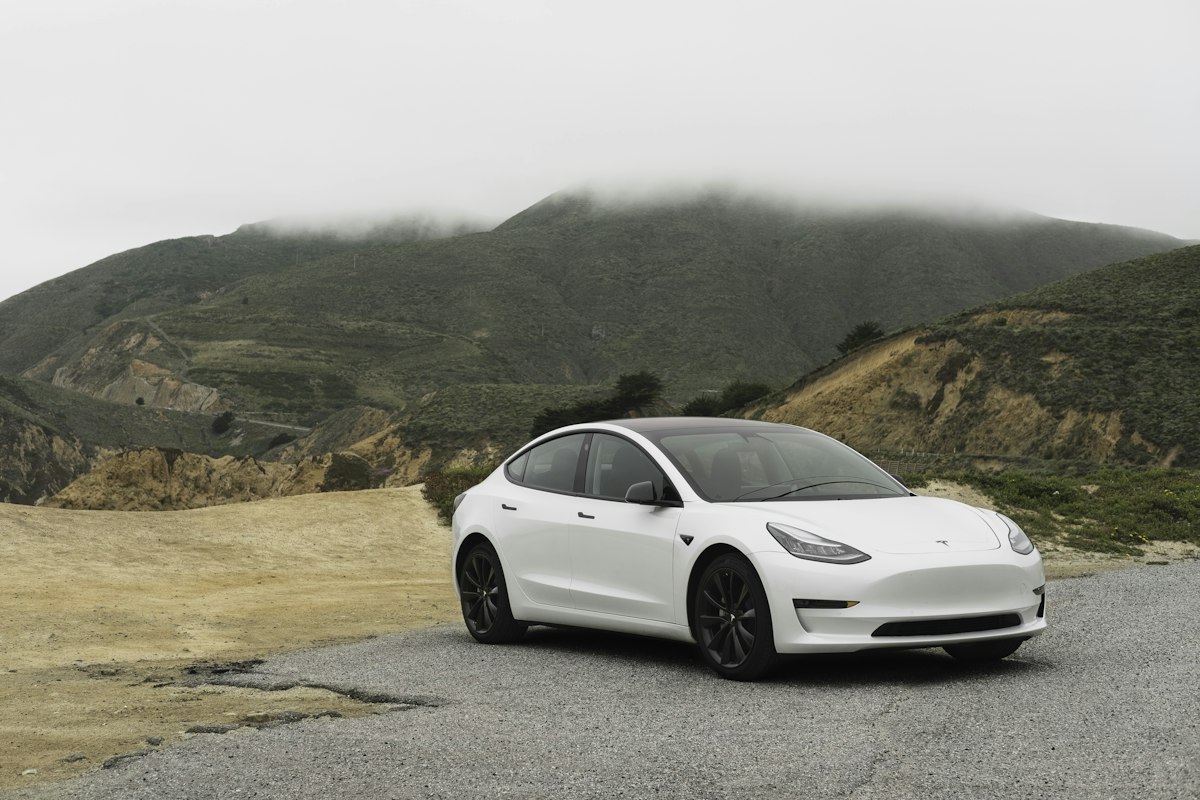
My Model 3 lives outdoors, under a banyan tree, in Shenzhen. That combination is about as hostile as a parking situation gets: constant leaf drop, sap, bird activity, typhoon-season rain, and a summer sun that will fade anything within a season. I have now bought six covers from AliExpress over two years, destroyed two of them, and figured out exactly which specification survives.
This is the guide I wish I had before I wasted $14 on a cover that lasted seven weeks.
Why a two-year-old Tesla needs a cover more than a new one
The first year I owned the car I did not bother. Modern clear coat is genuinely tough, and the paint looked fine. By year two, the differences were visible: the horizontal surfaces had lost some gloss compared to the vertical panels, and the tree sap had left a handful of spots that polished out but left a shadow in the clear coat.
The more pressing issue was water. Shenzhen gets intense rain, and the spot under the banyan gets direct exposure. Every heavy storm left the car with a film of grit that I was wiping off with a cloth, which is exactly how you put swirl marks in a dark paint job.
A cover solves four specific problems and nothing else:
- Sap, pollen, and leaf tannin landing directly on the paint
- Bird droppings, which are mildly acidic and should never be left on clear coat
- UV exposure, which fades both paint and interior
- Grit film, which is the thing that actually causes the swirl marks you see on older cars
A cover does not protect against branches, hail, or someone opening their door into your car. Nothing at this price point does. If you park under a tree with real branches, move the car.
Material tiers and what each one actually lasts
The AliExpress listings are full of fabric codes that sound similar and behave nothing alike. Here is what each one did in my test, in real months of outdoor exposure.
170T-190T polyester. One to three months. This is a thin, lightweight taffeta. It keeps leaves off and that is the entirety of its utility. On my dad’s car it was visibly sun-faded in eight weeks and developed a tear at the mirror pocket in ten. It also let water through after heavy rain because the weave is too loose to shed it fast enough.
210D Oxford with PU coating. Six to twelve months. This is the sweet spot for a daily-driven car parked outdoors, and everything I would recommend lives here. The denier number refers to the thickness of the individual threads; 210D is meaningfully heavier fabric than 190T, and the polyurethane backing is what makes it actually waterproof rather than merely water-resistant.
300D and above with PU coating. Twelve to twenty-four months. Worth it if you garage-store the car for long periods, or if you own a Model S or X and want the extra fabric weight to sit flat. For a daily-driven Model 3, the extra cost buys durability you will not notice because you are handling the cover twice a day anyway.
One caveat on the higher deniers: heavier fabric is bulkier and harder to put on alone. A 300D cover on a Model Y is a two-person job in wind. That is a real cost that does not show up on the listing.
The features that separate a usable cover from an annoying one
My final cover is a 210D Model 3-specific unit that cost $31. After 90 days and three typhoon warnings, these are the features I would not buy without.
Six side air vents. Without vents, condensation forms under the cover overnight, and you get a car that is wet on the outside under a cover that is wet on the inside. After 90 humid nights there was no condensation on the paint with vents, and visible moisture with a ventless cover I tested earlier.
Reflective strips on the rear. I was rear-ended twice in 2024 in parking lots at night. The reflective panels on the rear corners are visible from maybe forty meters with headlights on. This is the cheapest safety feature on the entire cover.
An under-car strap. A Tesla’s shape catches wind like a wing. This is not an exaggeration — it is a low-drag shape that generates lift when air gets underneath fabric. In April 2026 I lost a cover in a gust because I did not bother with the strap. It was found two streets over. Use the strap, every time, even for short parking.
A driver-side zipper. Being able to unzip and plug in without removing the entire cover is the difference between using the cover daily and never using it. This single feature changed my habits more than anything else on the list.
Elasticized front and rear hems. These hold the cover in shape while you are working the strap underneath. Without them, the cover slides off the bumper while you are on your knees in the wet.
A storage bag. It fits in my frunk. Without a bag, a wet cover ends up in your trunk soaking everything else.
Installation: the ten-minute version and the two-minute version
The reason people stop using car covers is that installation is annoying. It does not have to be.
The slow way, which is what most people do the first time, is to unfold the whole cover across the hood and then walk around three times pulling it into place. Ten minutes, and you get soaked in the rain.
The fast way:
- Lay the cover across the roof first, rear edge toward the front, so the mirror pockets are roughly in position.
- Pull the front hem down over the bumper and clip the elastic under the front.
- Walk to the rear, pull the rear hem down, and hook the rear elastic.
- Reach under each side and connect the under-car strap.
- Unfold the mirror pockets last, when the cover is already in position.
That is about two and a half minutes for a Model 3 once you have done it four or five times. It is also the order that keeps the inner lining from dragging grit across the paint, which is the one thing that can actually scratch your car.
The paint-scratch question, answered honestly
A car cover can scratch paint. This happens in three ways:
Dirt trapped underneath. If you put a cover onto a dusty car, every movement of the fabric grinds that dust into the clear coat. Wash the car before covering it, or at minimum rinse the horizontal surfaces.
Loose universal-fit fabric. A universal cover on a Model 3 has excess material at the corners and the shape of the car does not hold it still. In even moderate wind, that loose fabric moves. Model-specific patterns have far less slack.
Exposed seams and hard edges. Rough stitching on the inside of the cover is a squeegee. Look for covers with taped or bound seams on the interior, and soft flannel or cotton lining on the panels that touch the roof and hood.
A properly fitted 210D cover with an inner lining, on a clean car, with the strap connected, will not scratch your paint. I have 90 days of evidence on a dark-colored Model 3.
Fitting for Model 3 versus Model Y
These are genuinely different covers and buying the wrong one is a common mistake.
The Model 3 cover is longer and lower. The mirror pocket position is specific to the 3’s mirror placement. A Model Y cover on a Model 3 will have a bulge where the Y’s higher roofline would be, and that bulge is exactly the loose fabric that scratches paint.
The Model Y cover is taller through the cabin and shorter overall in some patterns. If you have a Y, buy a Y-specific cover.
For both, check whether the listing accounts for roof racks or a tow hitch. My final cover has a small zip flap at the rear for a hitch-mounted rack, which is a feature I did not know I wanted until I had it.
If your car has aftermarket wheels with an aggressive offset, note that some fitted covers are cut tight over the arches and will not sit flush.
Storage and care between uses
A car cover that lives crumpled in a wet trunk will develop mold within a month and start to smell. My routine:
- Shake the cover out before folding, so grit falls off rather than getting folded inside
- Fold in thirds lengthwise, then roll from the front, so it goes back on in the right orientation
- Store in the bag, in the frunk, which is the driest place in the car
- Machine wash on gentle with no detergent in the spring, air dry only, never in a tumble dryer
PU coatings do not survive a hot tumble dryer. That is the fastest way to destroy a waterproof cover.
What I would buy today
A Model-specific 210D Oxford cover with PU coating, six side vents, reflective rear panels, an under-car strap, a driver-side zipper, and soft interior lining, in the $25 to $35 range. That is the entire recommendation. Below $15 you are buying a disposable item. Above $50 you are buying features that do not matter for a daily-driven car that lives outside.
Where to look
I have ordered six covers from AliExpress across two years, and the ones from established shops with clear fabric specifications have consistently been the ones that lasted. Look for listings that state the denier explicitly rather than describing it as “high quality waterproof material.”
Disclosure: if you order through our link, TechMinds may earn a small commission at no extra cost to you.