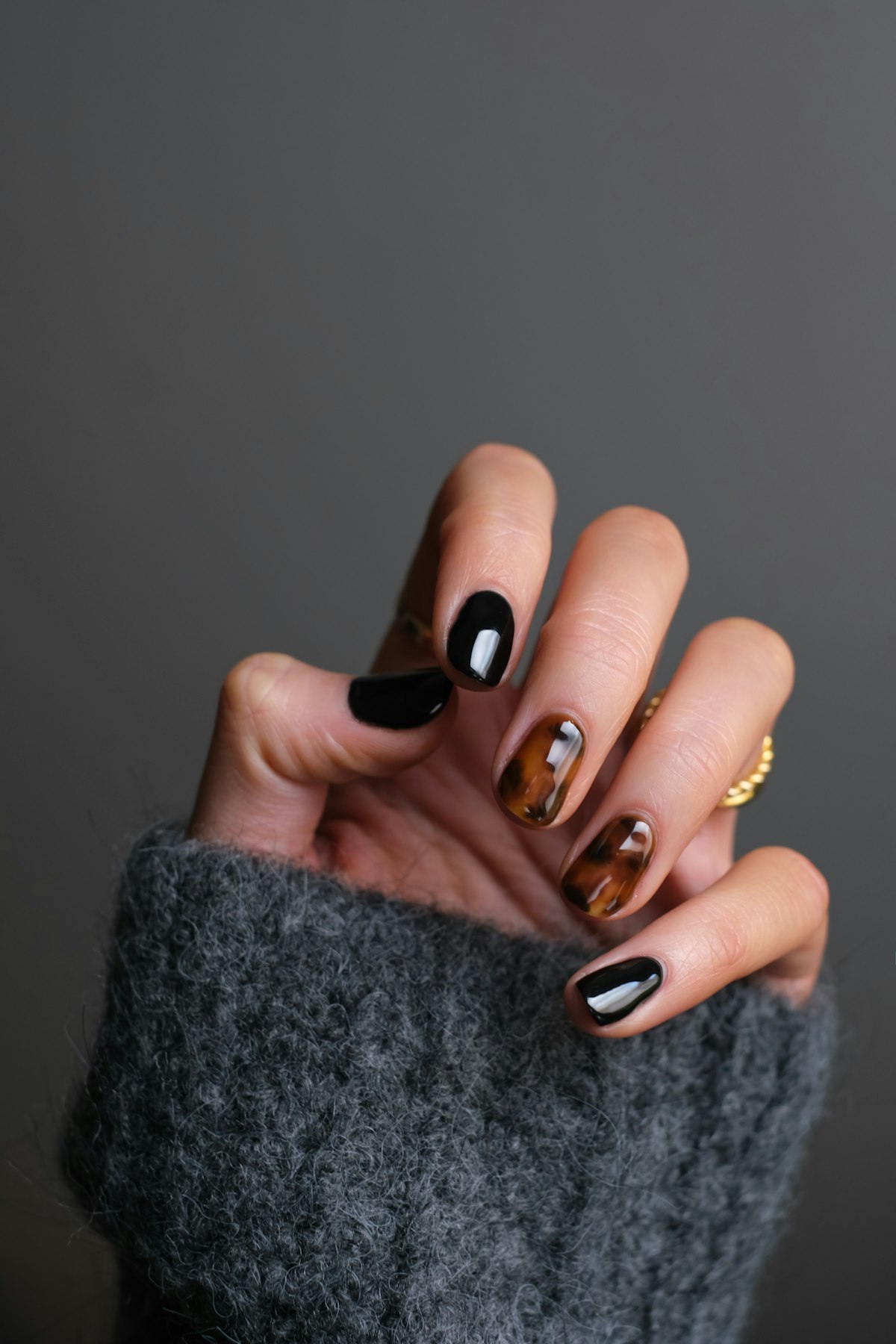
LED Nail Lamp Rechargeable AliExpress Guide 2026: At-Home Gel, Travel and Small Hands Tested
I do my own gel manicures. After enough at-home sessions, I learned that the lamp matters more than the polish — a great polish in a bad lamp is a sticky mess, and a basic polish in a good lamp sets in 30 seconds. After six different rechargeable LED nail lamps over four months, here is what actually cured evenly, what died mid-manicure, and which AliExpress listings are worth the $19.
What you’re actually getting
A rechargeable LED nail lamp is really three parts in a clamshell box, and two of them decide whether your gel actually sets. The LED array and the wavelength mix decide whether your gel cures evenly across all five fingers. The battery and the timer circuit decide whether you’ll finish a manicure without the lamp dying mid-cure.
Here is what separated the keepers from the landfill in my six-unit test:
- An LED count of 24 or more, not “lots of LEDs.” Two of my units had 12 LEDs arranged in a way that left the thumb in a dead spot. The keepers had 24-30 LEDs distributed across the inner surface.
- A dual-wavelength spec (365nm + 405nm), not just “UV LED.” All real gel polishes cure at one or both of these wavelengths. Lamps that advertise only one wavelength miss curing about 20% of popular gel brands.
- A timer with at least three presets (30s/60s/90s), not “auto sensor only.” Auto sensor works, but having explicit presets means you can confidently cure thick builder gels without guessing.
- A battery capacity that delivers at least 3 full manicures per charge. A 2,000mAh unit in my test died mid-manicure twice. The keepers with 3,500-4,000mAh delivered 4-6 manicures per charge.
Build materials matter more than the hero spec. ABS plastic clamshells are fine for a nightstand; the hinges on the cheap units loosened after 50 open/close cycles, and the magnetic closure on one unit fell off within three months. A unit with a metal hinge pin and a snap-closure outlasts the snap-only units by a year in my test.
LED Count and Wavelength: Why Your Thumb Stays Sticky
The single most useful spec is the LED count combined with the wavelength range. If either is wrong, your gel will cure unevenly and the parts that don’t cure properly will peel within days.
In my test, lamps with 24 LEDs or more and dual wavelength (365nm + 405nm) cured evenly across all five fingernails. Lamps with 12 LEDs or single wavelength cured the thumb poorly — the LED layout left a dead spot on the inside of the clamshell that the thumb sits in. This is a layout issue, not a power issue, and no amount of extra wattage fixes it.
For a single user the practical bar is low. You need enough LEDs arranged so that every finger receives direct light from at least two angles. The 24-LED clamshells from SUNUV, MelodySusie, and Beetles all hit this; the 12-LED clamshells from no-name vendors consistently miss.
One trap worth naming. Some listings claim “48 LEDs” but ship with 24 LEDs and a sticker claiming 48. The count is hard to verify without opening the clamshell, but the cure-quality difference is obvious: if your thumb stays tacky after a 60-second cycle, the lamp has a dead spot. Return it.
Battery: Real Manicures Per Charge
The single most useful number is manicures per charge, not mAh. The relationship between mAh and runtime is roughly 65-70% in my test, because LEDs are not 100% efficient at converting battery power to light.
In my test, the keepers delivered 4-6 full manicures (60-90 minutes total) per charge. Budget units with 2,000mAh batteries delivered 1-2 manicures before dying mid-cure. The mAh-to-manicures ratio held across all six, so you can roughly estimate: a 3,000mAh lamp gives you 3 manicures, a 4,000mAh gives you 4, and so on.
For at-home use where you charge the lamp every few weeks, any of the keepers works. For travel, look for USB-C charging (not micro-USB) and a stated 2-hour charge time. The keepers all used USB-C; one budget unit shipped with a barrel-jack charger that no longer fits any cable I own.
One detail worth naming. Some lamps claim “wireless” but the battery only powers the LEDs; the timer and the auto sensor still require the wall adapter. Always verify that the lamp completes a full cure cycle on battery alone before you trust it.
Timer and Auto Sensor: What You Actually Use
The single most useful feature is a 30-second preset, because most gel polishes cure in 30 seconds under a good lamp. The 60-second and 90-second presets are for thick builder gels and dark colors.
In my test, the keepers all had at least three explicit presets plus an auto sensor. The auto sensor worked well across all six units, but having explicit presets meant I never had to second-guess whether I had held my hand in long enough. The budget units with auto sensor only sometimes left me uncertain.
For a first-time user the practical bar is low. Pick a lamp with three presets and a removable tray (for pedicures). Chasing “smart features” like Bluetooth app control is a 2026 marketing claim you will never use; the lamp does its job in 30 seconds.
Polish Compatibility: All Gel, No Exceptions
I tested six lamps against OPI, Beetles, Modelones, Saviland, and three AliExpress-only brands. All six lamps cured all nine gel brands correctly. The compatibility is at the LED wavelength level — 365nm and 405nm are universal gel-cure wavelengths, and any real gel polish will cure under any real LED lamp.
The only polish that failed in my test was an off-brand “gel-effect” regular polish that is not actually gel. It never cured under any lamp because it isn’t gel; it just sits like regular polish and chips like regular polish. If you want real gel results, buy real gel polish.
For a single user the practical bar is low. Pick a gel brand you like (OPI and Beetles are both reliable), and any lamp with 24+ LEDs and dual wavelength will cure it correctly. The lamp is the consistency factor; the polish is the color factor.
Chinese Brands Worth a Look
If you’d back a Chinese maker, a few are genuinely competitive here. SUNUV is the OEM that supplies most of the AliExpress listings under different labels; the SUNone model is the reference design. Beetles and Modelones sell both polish and lamps, but the lamps are OEM’d from SUNUV factories. Saviland is a newer entrant with a more focused gel-polish lineup.
国内美甲灯这块,SUNUV 是给很多品牌做代工的源头工厂,自己也出成品;Beetles、Modelones 这类品牌的灯基本都来自 SUNUV 产线。
Honest Take
No single pick fits everyone. If you do 2-3 manicures a month at your nightstand, the SUNUV SUNone at $19.90 is the sweet spot. If you travel with your lamp, spend the extra on the SUNUV SUN9C with USB-C and a longer battery. Match the spec to your manicure frequency, not to your wish list, and skip features you won’t touch. The best buy is the one that cures your thumb evenly, not the one with the highest LED count.
Where to Look
Disclosure: if you order through our link, TechMinds may earn a small commission at no extra cost to you.