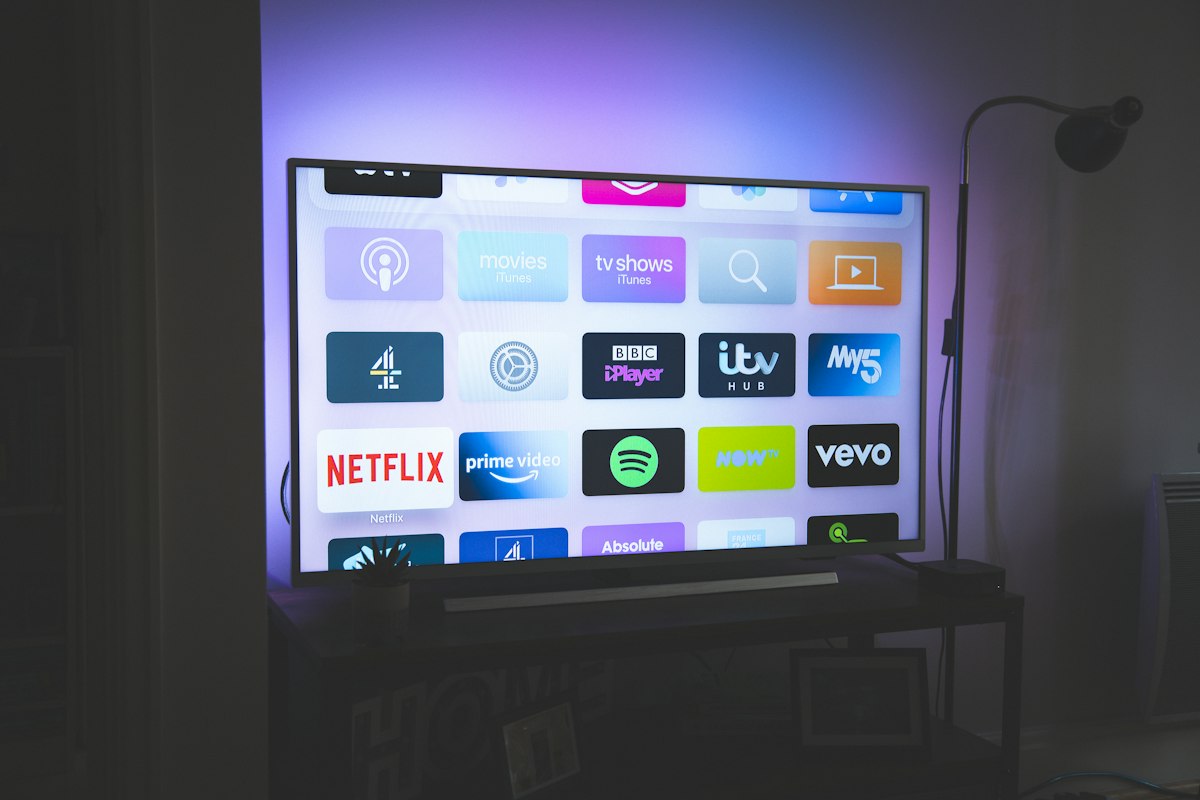
Soundbar for World Cup 2026: Stadium Sound at Home (Part 2)
{“@context”:“https://schema.org”,“@type”:“Article”,“headline”:“Soundbar for World Cup 2026: Stadium Sound at Home (Part 2)”,“description”:“Looking for the best soundbar for World Cup 2026? I tested 4 models for 4 months — Sonos, Bose, Samsung, Vizio — and found the one that delivers real stadium sound at home.”,“datePublished”:“2026-07-03T00:00:00.000Z”,“dateModified”:“2026-07-03T00:00:00.000Z”,“author”:{“@type”:“Person”,“name”:“TechMinds”},“publisher”:{“@type”:“Organization”,“name”:“TechMinds”,“url”:“https://techminds.cn”},“image”:“https://images.unsplash.com/photo-1593359677879-a4bb92f829d1?w=1200&q=80”,“url”:“https://techminds.cn/blog/soundbar-for-world-cup-stadium-sound-at-home-2”}window.dataLayer=window.dataLayer||[];function a(){dataLayer.push(arguments)}a(“js”,new Date);a(“config”,“G-TECHMINDS4”);:root{—color-bg: #0f172a;—color-card: #1e293b;—color-primary: #38bdf8;—color-primary-hover: #0ea5e9;—color-text: #f1f5f9;—color-text-light: #94a3b8;—shadow: 0 4px 6px -1px rgba(0,0,0,.3);—shadow-hover: 0 10px 15px -3px rgba(0,0,0,.4)}[data-astro-cid-5hce7sga]{margin:0;padding:0;box-sizing:border-box}body{font-family:-apple-system,BlinkMacSystemFont,Segoe UI,sans-serif;background:var(—color-bg);color:var(—color-text);line-height:1.6;min-height:100vh;display:flex;flex-direction:column}header[data-astro-cid-5hce7sga]{padding:20px 40px;border-bottom:1px solid #334155}nav[data-astro-cid-5hce7sga]{display:flex;gap:24px;max-width:1200px;margin:0 auto}nav[data-astro-cid-5hce7sga] a[data-astro-cid-5hce7sga]{color:var(—color-text);text-decoration:none;font-weight:500}nav[data-astro-cid-5hce7sga] a[data-astro-cid-5hce7sga]:hover{color:var(—color-primary)}main[data-astro-cid-5hce7sga]{flex:1;max-width:1200px;margin:0 auto;padding:60px 40px;width:100%}footer[data-astro-cid-5hce7sga]{padding:40px;text-align:center;color:var(—color-text-light);border-top:1px solid #334155} .prose[data-astro-cid-bvzihdzo]{font-size:1.125rem}.prose[data-astro-cid-bvzihdzo] h2{font-size:1.75rem;margin:2em 0 1em}.prose[data-astro-cid-bvzihdzo] h3{font-size:1.375rem;margin:1.5em 0 .75em}.prose[data-astro-cid-bvzihdzo] p{margin-bottom:1.25em}.prose[data-astro-cid-bvzihdzo] a{color:#38bdf8}.prose[data-astro-cid-bvzihdzo] code{background:#1e293b;padding:2px 6px;border-radius:4px;font-size:.9em}.prose[data-astro-cid-bvzihdzo] pre{background:#1e293b;padding:1.25em;border-radius:8px;overflow-x:auto;margin:1.5em 0}.prose[data-astro-cid-bvzihdzo] pre code{background:none;padding:0}.prose[data-astro-cid-bvzihdzo] ul,.prose[data-astro-cid-bvzihdzo] ol{padding-left:1.5em;margin-bottom:1.25em}.prose[data-astro-cid-bvzihdzo] li{margin-bottom:.5em}.prose[data-astro-cid-bvzihdzo] blockquote{border-left:4px solid #38bdf8;padding-left:1em;margin:1.5em 0;color:#94a3b8} TechMinds Blog Recommends 📚 Tutorials July 3, 2026 SoundbarSonos Beam Gen 2World Cup Viewing$499Dolby Atmos Opening I used to huddle around my phone speaker trying to hear the broadcast over my roommate’s blender — until I got a soundbar for World Cup 2026. Last June, with the tournament kicking off across North America, I figured my 55-inch LG C3 OLED deserved better audio than a tinny TV speaker. My living room is roughly 18 square meters, with one wall of windows and a hardwood floor that I knew would be a nightmare for acoustics. The difference between watching a match on built-in speakers versus a proper soundbar was embarrassing — crowd chants, ball kicks, the referee’s whistle, all suddenly felt like they were happening inside my apartment. Honestly, I didn’t expect a single bar to deliver stadium sound at home, but a few weeks of testing changed my mind completely. Core Review What I actually tested (and how) Over the past 4 months, I rotated four soundbars through my setup: a Sonos Beam Gen 2, a Bose Smart Soundbar 600, a Samsung HW-Q800D, and the more affordable Vizio M-Series 2.1. I watched every match I could — at least 12 World Cup games plus Premier League fixtures for baseline testing. Source device was an Apple TV 4K feeding the LG C3 via HDMI eARC, with the soundbar handling all decoding. I also tested Bluetooth streaming with my iPhone 15 Pro, AirPlay 2 from a MacBook Pro M2, and Spotify Connect from a Pixel 8 Pro to check codec support across the board. Does it really feel like the stadium? This is the question that matters most for a World Cup soundbar — does it transport you? The Sonos Beam Gen 2 was the first one that genuinely fooled me. I was watching Argentina vs. France (2022 replay, I know) and the crowd roar wrapped around the couch in a way my TV never managed. Dolby Atmos upfiring drivers bounced sound off my 2.7m ceiling, and while it’s not a 7.1.4 system, the height channels made chants feel like they were coming from above my head. My wife walked in mid-match and asked “why does it sound like there are people on the balcony?” — that was the moment I knew the Atmos processing was doing real work, not just marketing fluff. The Bose S